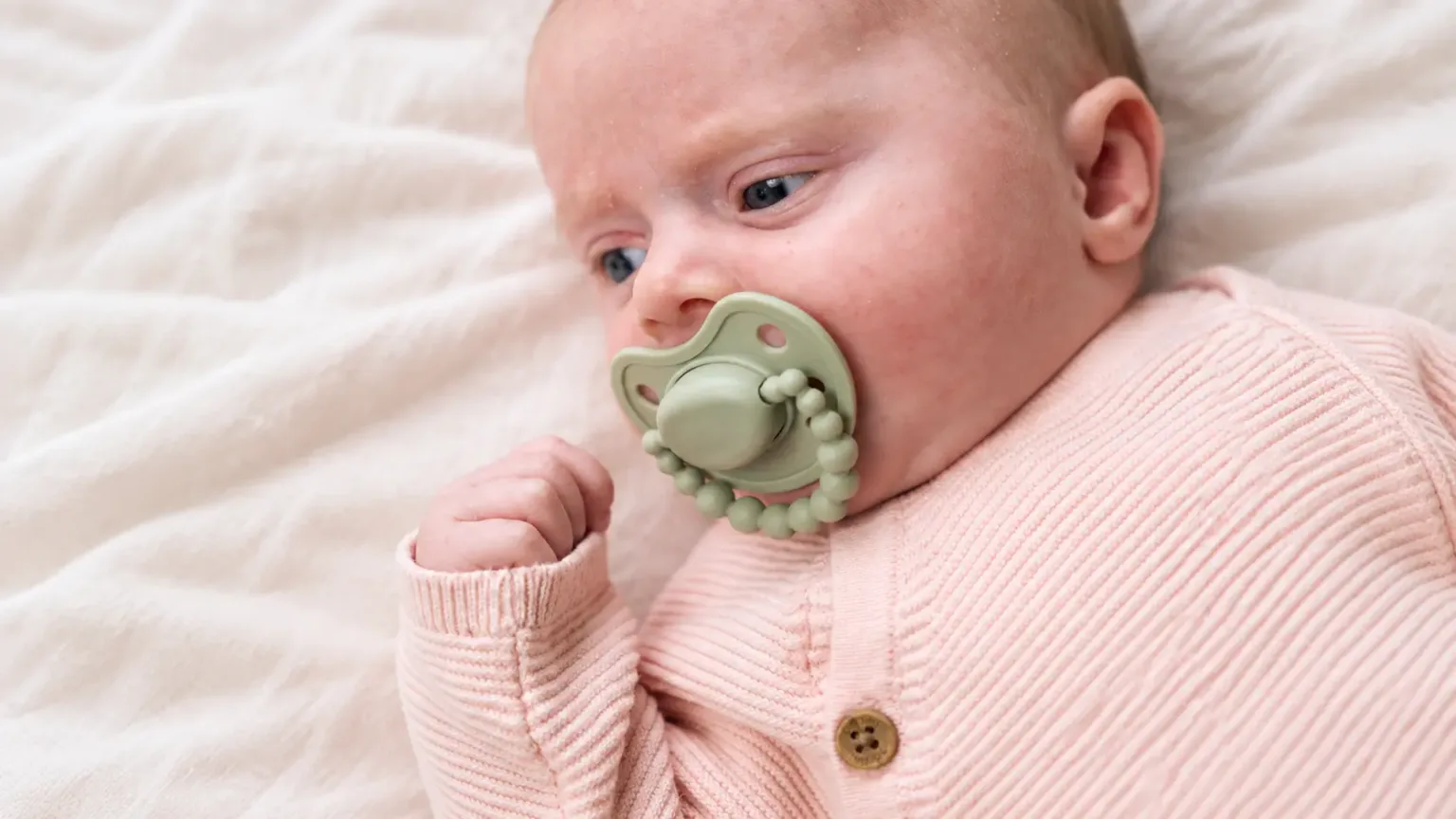
Should I Pack a Dummy in My Hospital Bag?
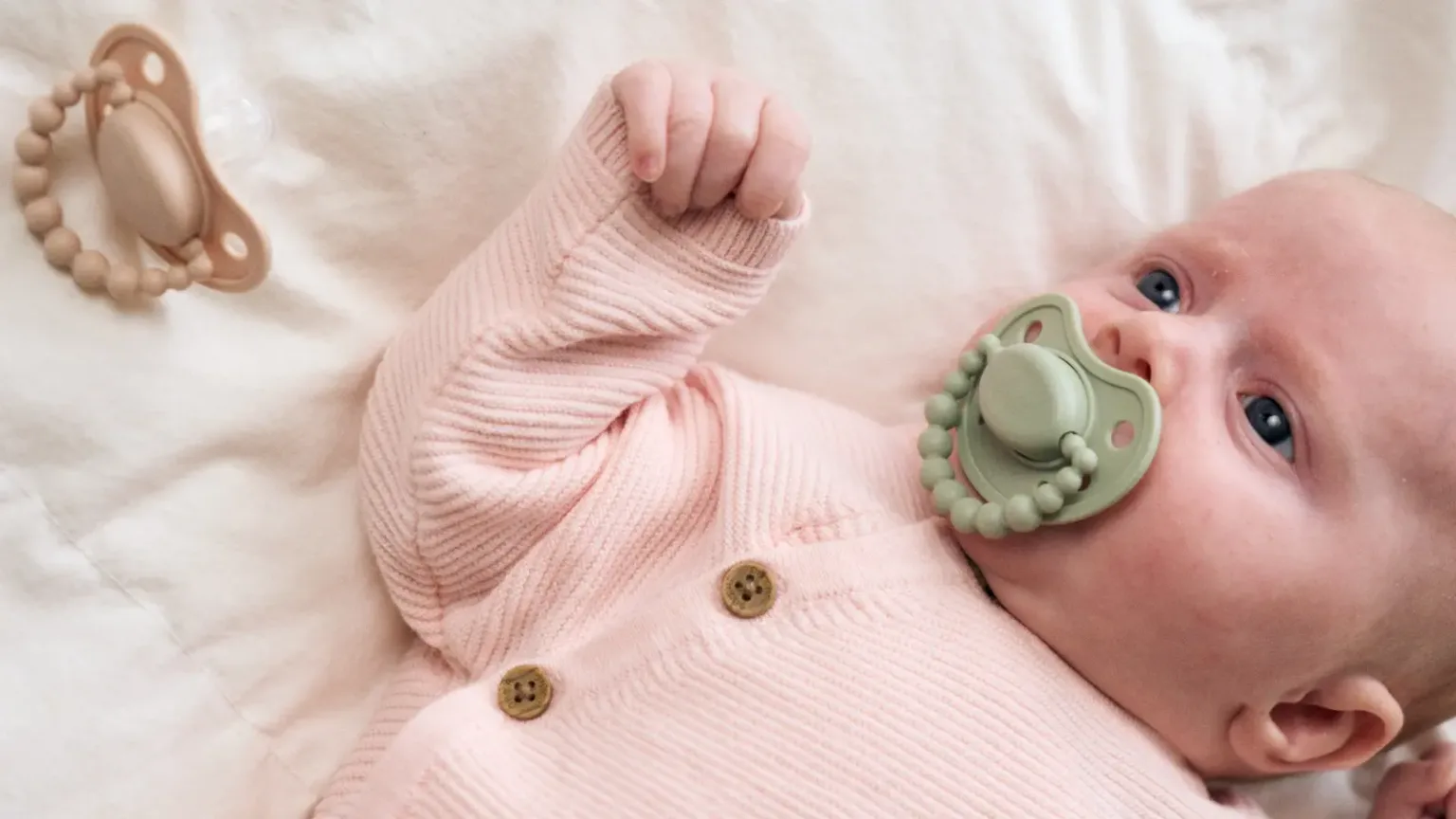
You might be wondering whether a “dummy” in your hospital bag will help or get in the way - especially if you plan to breastfeed, or you are worried about tongue position and oral development.
Here’s the key point up front: packing a dummy does not mean it must be offered after birth, and it does not mean every newborn needs one. In the UK, maternity wards differ, and many follow specific feeding and safer-sleep guidance.
If you want a plan that reduces stress, use a “ready - without assuming” approach: check the ward policy, match your decision to your feeding plan, and think through hygiene and storage before you leave home.
Before admission: questions for the maternity team
Before you go in, or at the earliest opportunity, ask your maternity team questions that help you follow their local approach. Wards can differ on what they allow and what they provide.
- Does the ward support or discourage dummies? If there is a policy, ask what circumstances it applies to.
- Will staff offer a dummy on request? If yes, ask how they handle hygiene and storage.
- If you bring one, is that acceptable? Some units may have “no mixed items” rules or preferred storage methods.
- What sterilising facilities are available? Ask whether they have microwave steriliser bags, cold-water sterilising options, or a specific method.
- How should we introduce a dummy if feeding is going well? Ask what “non-forced” looks like in their guidance.
- If baby is sleepy or unsettled, what is the first step? Clarify whether they want feeding attempts first, then soothing.
Practical insight: If you’re sleep-deprived, you’ll thank yourself for having these answers written down - even just on your phone - so you don’t have to make decisions while everyone is tired and busy.
If you’re breastfeeding: timing and what to watch for
When breastfeeding is the plan, the timing of a dummy matters because newborn feeding is not just about comfort - it’s also about learning an effective latch and building milk supply.
In the UK, guidance is commonly summarised around introducing a dummy after breastfeeding is established. Many families hear a rough reference point of around 4 weeks - but your ward may use their own timing based on clinical progress.
Why timing is discussed: early on, replacing breast suckling with non-nutritive sucking can sometimes reduce how often baby actively feeds at the breast, which may make breastfeeding goals harder to establish.
If you want a clear feeding-establishment checklist, link to LUU’s breastfeeding introduction article rather than repeating that same list here. For many parents, the helpful next step is to understand the difference between:
- Routine newborn preparation (feeding, skin-to-skin, observation)
- Clinically supervised neonatal use (which should follow staff advice and your baby’s needs)
Practical insight: If baby is showing feeding cues, treat those as the priority. Use a dummy only when it aligns with the ward’s approach and doesn’t interfere with feeding support - especially in the first days.
Ward policy: whether dummies are supplied or discouraged
Some parents expect to see dummies available, but in many UK maternity wards the approach can be quite specific.
Many units follow principles connected to the UNICEF Baby Friendly Initiative (BFI), which generally encourages supporting breastfeeding establishment - and that is often the reason dummies may be discouraged or not routinely offered.
That means you cannot assume:
- that every hospital supplies dummies
- that the staff recommendation is the same across wards
- that sterilising facilities (or accepted storage) are identical
Practical insight: If your ward does not provide dummies, bringing one can help you follow their “if appropriate” guidance. If the ward discourages them, packing one still gives you an option to discuss - without feeling unprepared.
Choosing a dummy with oral development in mind
If you do pack a dummy, it helps to choose one with oral development considerations, not just a “cute design” or what seems to fit.
Parents often worry about how a dummy might affect tongue position and sucking patterns. One practical way to think about this is: a positioning-focused nipple design may give the tongue more space in the mouth during non-nutritive sucking.
For expectant parents looking for an age-relevant example (not a clinical requirement), the LUU Kids 0-3 month positioning pacifier is a variant designed for the earliest stage of infancy. It is:
- Category: LUU positioning pacifier
- Age stage: 0-3 months
- Material: (as specified by the product instructions for that variant)
If you later need a different stage, LUU also offers positioning pacifiers for 3-6 months and 6 months+ - useful when you are replacing based on age and development rather than on “what you still have in the drawer”.
Practical insight: Keep model comparisons and fit advice on LUU’s existing selection and size pages. If you’re unsure, choose an age stage first (0-3 months for the newborn window) and then confirm the size guidance provided for that exact model.
Hygiene and sterilising on the day
Whether you use a dummy during a stay or not, hygiene planning helps you avoid scrambling.
Start with your dummy’s instructions. Storage and cleaning can depend on the dummy material and the sterilising system you use. There is not one universal “sterile enough” approach.
For UK hospital bag realities, parents typically choose one of these:
- Pre-sterilise at home shortly before you leave, then store it properly until needed.
- Use sterile pouches for on-the-go storage so it does not sit loose in a bag.
- Bring a travel or compact sterilising setup if you expect limited ward access.
- For on-the-spot cleaning: consider what is available on the ward (for example, microwave steriliser bags) or whether cold-water sterilising options (tablets/fluids) are appropriate for your equipment and the dummy instructions.
When you need to sterilise on the ward, a sensible process is generally:
- Wash hands before touching the dummy.
- Rinse or clean if it is visibly soiled.
- Sterilise using the method you planned or the method the ward recommends.
- Store in the storage system you prepared (for example, sterile pouches) until the next use.
Practical insight: If you think you might need cold-water sterilising, check the dummy and sterilising system compatibility before you go. The goal is to follow the instructions you can actually trust in the hospital environment.
For broader hygiene methods, follow LUU’s existing hygiene guide so you can match the right approach to your sterilising setup, rather than relying on a “one size fits all” timeframe.
Keeping unused and used dummies separate
This is the part that prevents the most common hospital-bag mix-ups: using the wrong item at the wrong time.
Plan to separate:
- Unused (clean/sterile) dummies - kept in sterile pouches or a clearly labelled clean storage section
- Used items - kept apart from unused dummies, in a separate container/bag per the ward’s rules
Ask the maternity team what they prefer, because some wards do not want used and clean items stored together even temporarily. If they do not give clear guidance, keep them separate anyway - simple organisation reduces the risk of accidental cross-use.
Practical insight: If you only bring one dummy “just in case”, you may feel pressure to reuse it without proper cleaning. A spare can help you follow hygiene rules calmly - but always follow the dummy and sterilising-system instructions.
Optional hospital bag checklist
If you want to pack a dummy without assuming your baby will use it, here is a practical, low-stress checklist you can adapt.
- Dummy for the newborn stage (age-appropriate, per the manufacturer instructions)
- Clean storage method (sterile pouch or clearly labelled sterile container)
- On-the-go sterilising plan (what you will do if ward access is limited, including cold-water sterilising tablets/fluids or microwave steriliser bags if compatible with your system)
- Separate bag for used items that is distinct from clean storage
- A note of your questions for the ward (dummy policy, sterilising facilities, and how they recommend introducing it)
- If breastfeeding: a reminder to prioritise feeding cues and follow the ward’s guidance on timing
If you would like a non-promotional example of an age-stage appropriate option to consider, the LUU Kids 0-3 month positioning pacifier is an example that matches the earliest infancy window. Use it only if it aligns with your comfort, your ward policy, and your feeding goals.
Final thoughts: a dummy plan that stays flexible
For many parents, the most helpful approach is not a yes/no decision - it’s preparation. Pack a dummy if you want options, but keep the plan aligned with your ward’s policy, your feeding goals, and your sterilising and storage routine. And if your baby does not need it, that’s okay too.
If you want help choosing an age-appropriate positioning pacifier style and understanding tongue-position design principles, explore the LUU Kids range on LUU Kids.
FAQ
Can a newborn sleep with a dummy in the UK?
Safer sleep advice is led by organisations such as The Lullaby Trust. Dummies can be part of safer sleep guidance when used appropriately for sleep. Follow your maternity ward advice, especially if breastfeeding is being established.
Why do some UK maternity wards discourage dummies?
Many wards work within principles connected to the UNICEF Baby Friendly Initiative (BFI), which prioritises supporting breastfeeding establishment. Local policies can therefore limit routine dummy use.
Will the NHS provide a dummy?
It depends on your maternity unit. Some wards may not provide them, or may only allow them under specific circumstances. Ask your team about the policy and whether it’s acceptable if you bring one.
How do I introduce a dummy to a breastfed baby?
Keep it calm and non-forced. If breastfeeding is the plan, discuss timing with staff and aim to avoid using the dummy in place of feeding cues. If it disrupts feeding or makes latching harder, pause and ask for help.
How should I sterilise a dummy in hospital?
Use the method and storage approach recommended by your dummy’s instructions and the sterilising options available on the ward. If you need a cold-water method, consider tablets/fluids only if they match your system and the manufacturer’s guidance. Avoid guessing universal timelines.